ACNE
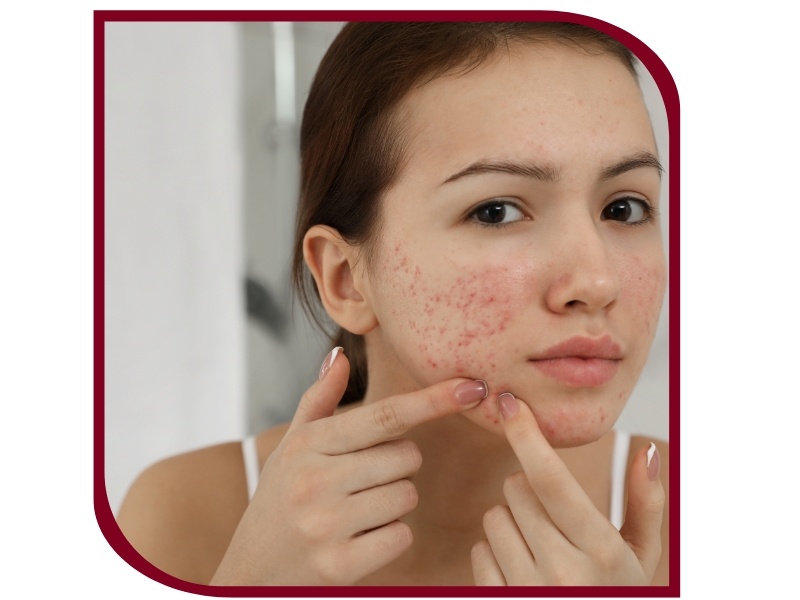
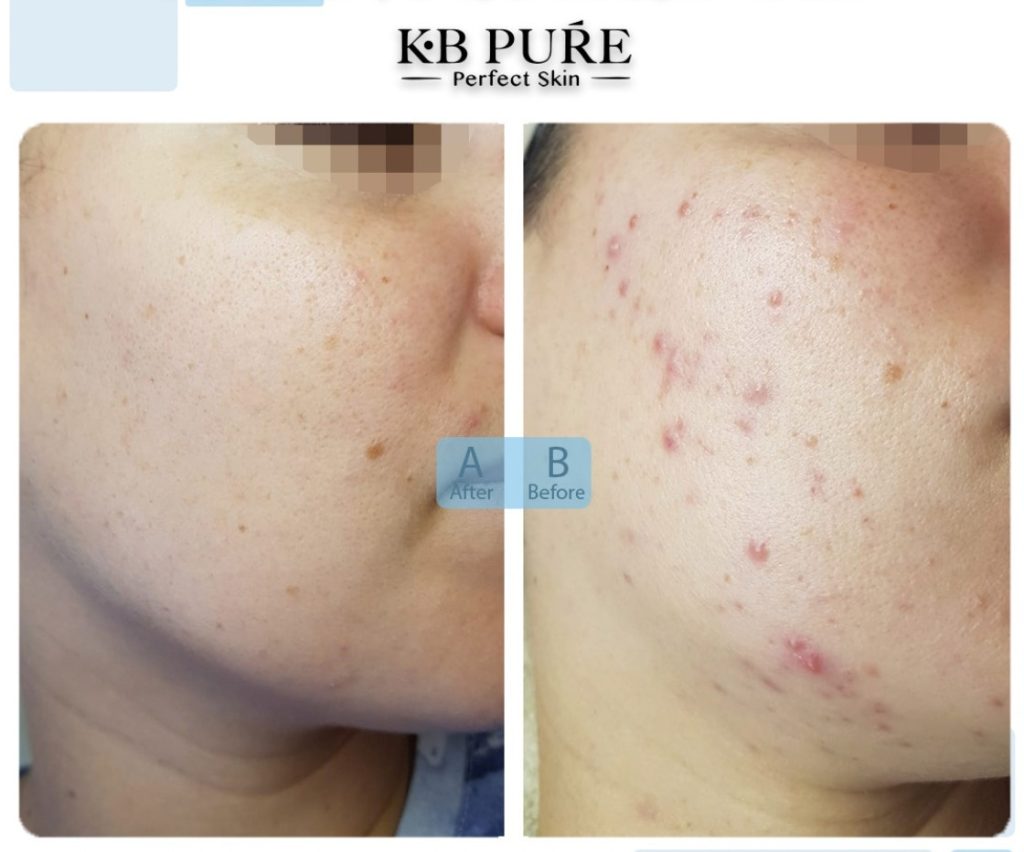
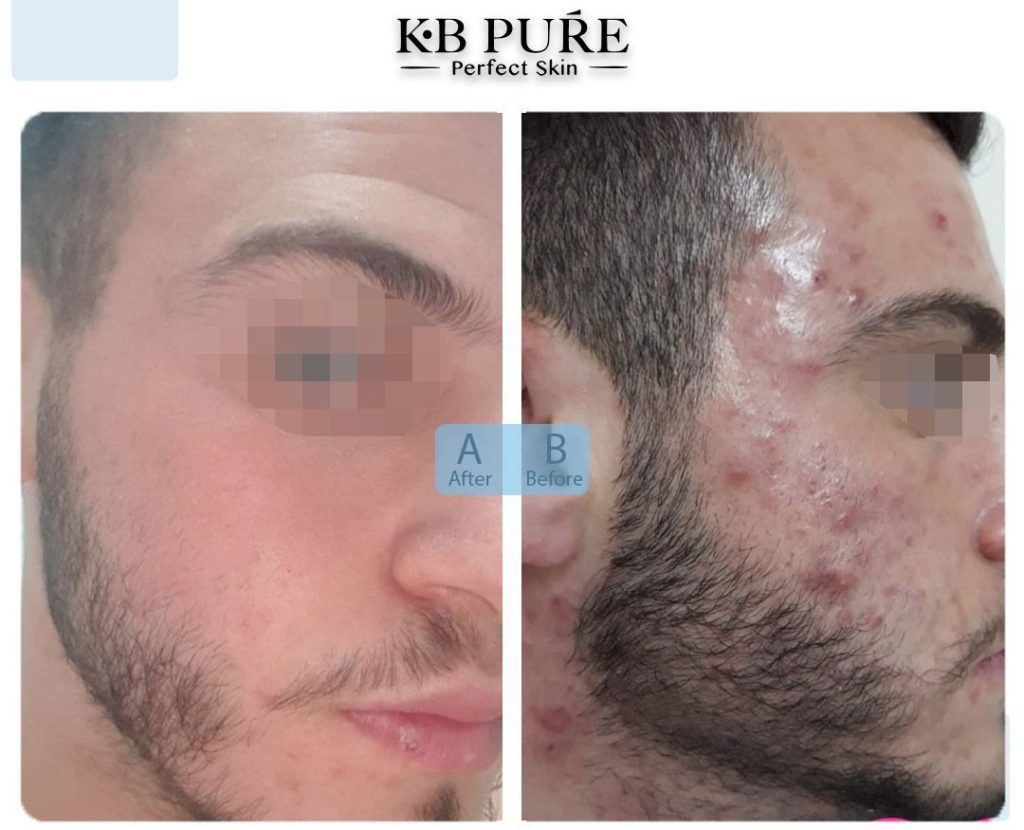
Acne is a very common skin disease, which primarily affects teenagers. Acne is more specifically an inflammatory disease of the pilosebaceous follicle. Each pilosebaceous follicle is made up of a hair to which a sebaceous gland is attached.
WHAT IS THE MAIN CAUSE OF ACNE?
– During puberty, hormones from a group called androgens are released. Androgen hormones allow the sebaceous glands in the skin to secrete an oily substance called sebum. Acne is partly caused by this overproduction of sebum.
– The secretion of normal amounts of sebum prevents the drying out of the skin and hair. However, when it is excessive, this oil can mix with dead skin cells and block hair follicles and pores.
– A common bacteria living in the skin called Propionibacterium acnes can sometimes promote the formation of acne by causing inflammation.
– Acne causes persistent redness and inflammation, particularly on the face, scalp, back, and chest, where the amount of sebum is most abundant.
OTHER FACTORS
Of mechanical origin (pore obstruction) or physiological (body reaction), this type of acne breakout presents itself in the same way. However, it will be temporary since it is linked to a passing factor. To treat it, it will be enough to identify the triggering factor in order to remedy it.
External factors
- An incomplete skincare routine or the use of comedogenic products on the skin daily contribute to the clogging of pores and the appearance of acne.
- The sun dries out and thickens the skin. The sebum cannot flow normally through the hair follicle. It accumulates and can cause an acne breakout when the skin thins out again. This is known as the rebound effect of acne after prolonged sun exposure.
Internal invoices
- Le stress a un impact sur le corps. Il crée des dérèglements visibles ou invisibles dont la nature et l’intensité dépend de chacun. Parmi ces dérèglements, l’acné est un symptôme fréquent.
- La pollution (dioxyde de carbone, pesticides, poussières et gaz divers) agresse la peau qui stimule en réponse la production de sébum, film protecteur de la peau, pour se défendre.
- L’alimentation, lorsqu’elle est riche en sucres et en lactose, serait un facteur aggravant pour les peaux acnéiques.
- Le tabac réduit l’afflux sanguin au niveau de la peau et ralentit donc la circulation des cellules immunitaires. Sous son influence, l’acné prolifère donc facilement et cicatrise difficilement.
SOLUTIONS
The first thing to do in case of hormonal acne outbreak is to resist the temptation and not touch the pimple(s). Indeed, popping a pimple exposes the skin to two risks: spreading the infection or causing the appearance of scars.
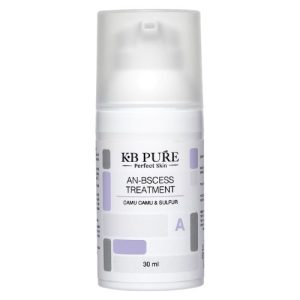
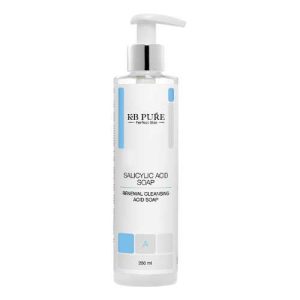
Morning and evening, it is important to adopt a complete skincare routine using products suitable for combination to oily skin. Start by cleansing your skin with a non-comedogenic gentle cleanser such as a gel or foam cleanser. Morning and evening, complete your skincare routine with a serum and a correcting cream for acne-prone skin.
FOR OPTIMUM EFFICIENCY, USE THE RIGHT ACTIVE INGREDIENTS
Organic element, salicylic acid is a multi-function anti-acne active ingredient: it stimulates skin renewal, fights against bacterial proliferation, and soothes the skin. Salicylic acid stands out in the fight against hormonal acne due to its ability to gently exfoliate the skin with its keratolytic action and physiological pH. It is also lipophilic, meaning it dissolves excess lipids on oily and acne-prone skin.
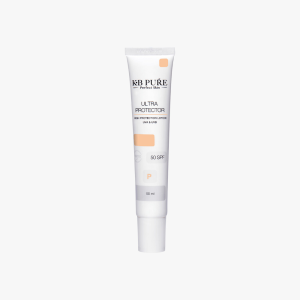
Glycolic acid is a powerful keratolytic agent. It gently exfoliates acne-prone skin and promotes cell renewal. It is recommended to protect the skin from the sun to avoid the appearance of scars and a rebound effect. Therefore, it is essential to apply a broad-spectrum Anti-Imperfection sunscreen against UVA and UVB rays.